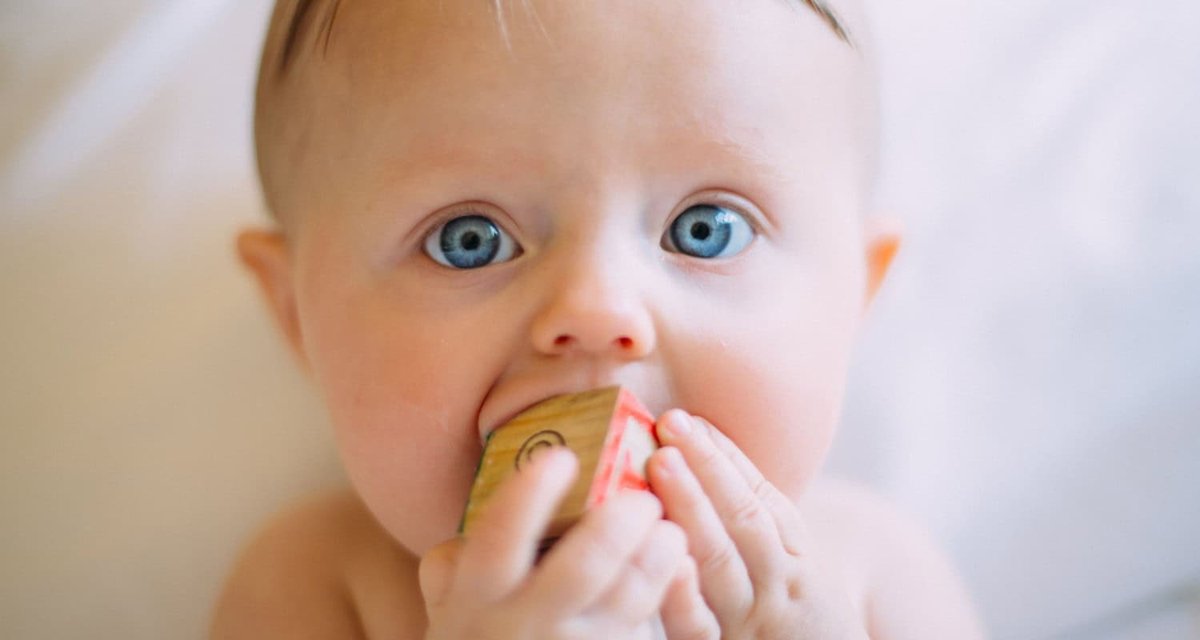
If you've ever found yourself daydreaming about what your future child might look like, or perhaps just having a laugh imagining a baby version of your favorite celebrity, you're not alone. The digital world has a playful answer: AI baby face generator tools. These ingenious applications use artificial intelligence to bring those curious visions to life, transforming existing photos into adorable infant versions or blending two parent images to predict a potential baby's features.
Learning How to Use Baby Face Generator Tools isn't just about clicking a button; it’s about understanding the magic behind the pixels, making informed choices, and ensuring your digital journey is as safe as it is fun.
At a Glance: Your Quick Guide to Baby Face Generators
- What they do: Transform photos into baby versions or blend two faces to create a hypothetical baby image.
- How they work: AI algorithms analyze facial features, skin tone, and other traits, then morph them into a believable, playful baby photo.
- Why use them: For fun, curiosity, imagining future family, creative projects, or sharing on social media.
- Key factors for choosing a tool: Look for high image quality, ease of use, customization, strong AI blending, fast performance, and a clear privacy policy.
- Crucial tip: Always prioritize security and privacy; ensure your uploaded photos aren't stored or misused.
- What they aren't: Scientifically accurate genetic predictions. They are for entertainment and visualization.
The Magic Behind the Pixels: What Are AI Baby Face Generators?
Imagine feeding a computer thousands upon thousands of real human faces – babies, children, adults, all with diverse features. That's essentially the training ground for the artificial intelligence that powers baby face generators. These sophisticated algorithms learn patterns, understand how features like eye shape, skin tone, and hair texture manifest across different ages and genetic combinations.
When you upload a photo (or two), the AI goes to work. If you're transforming a single photo, it uses what it's learned about infant facial structures to "de-age" and "baby-fy" your image, predicting what your face might have looked like as a toddler. If you're blending two parent photos, the AI acts as a digital matchmaker. It intelligently morphs and mixes visible traits, predicting how those features might combine in a child. The result? A believable, playful image that offers a glimpse into a potential future or a fun, stylized past. It's important to remember these are artistic interpretations, designed for enjoyment and curiosity, not precise scientific predictions of genetic outcomes.
Before You Begin: Choosing the Right Tool (and Why it Matters)
With a growing number of AI baby generator tools available online and as apps, making the right choice can feel a bit overwhelming. But by focusing on a few key factors, you can ensure a satisfying, secure, and genuinely fun experience.
Image Quality and Realism: Does It Look Believable?
The first thing you’ll notice is the output. A good baby face generator should produce images that look natural, not like a cartoon or a poorly Photoshopped mess. Look for tools that render:
- Natural-looking skin: No unnatural sheen or blotchiness.
- Realistic lighting: The generated baby should appear to be lit similarly to the source photos.
- Smooth facial features: Proportions should make sense, and transitions between features should be fluid.
The goal is a believable "what if" scenario, not an uncanny valley experience.
User Experience Matters: An Easy-to-Use Interface
Technology should be intuitive, not a puzzle. The best tools offer:
- Drag-and-drop functionality: For quick and effortless photo uploads.
- Clear option selection: Easily choose gender, age, or specific styles if offered.
- Fast results: You shouldn't have to wait ages for your baby's face to appear. A few seconds to a couple of minutes is standard.
If a tool feels clunky or confusing, move on. Your time is better spent enjoying the results.
Tailor-Made Tiny Faces: Customization Options
While the core function is blending or transforming, some tools go the extra mile with customization. Consider if you'd like the ability to:
- Change features: Adjust presumed skin, hair, or eye color.
- Select gender: See what a son or daughter might look like.
- Choose age: Sometimes you can specify if you want a newborn, infant, or toddler.
These options add a layer of personal touch and fun to the generation process.
The Brains of the Operation: AI Accuracy
This refers to how intelligently the AI blends features. Less advanced tools might simply copy one parent's dominant features onto a baby face, or create an unnatural mix. Superior AI will:
- Blend features plausibly: Taking elements from both parents to create a truly unique, yet recognizable, hypothetical child.
- Handle different ethnicities and features well: Ensuring diverse inputs lead to respectful and realistic outputs.
Good AI makes for a much more compelling and impressive result.
Time is Money (or Cuteness): Speed and Performance
Who wants to wait? Modern AI processing is fast. You should expect results anywhere from a few seconds to a few minutes at most. If a tool lags excessively or crashes frequently, it's likely not optimized, and you'll quickly lose patience.
The Price of Cuteness: Pricing and Plans
Many tools offer a free tier, but it often comes with caveats. Be aware of:
- Watermarks: Free results might have the company's logo stamped on them.
- Feature limits: Fewer customization options or lower resolution images.
- Subscription models: Paid plans typically offer higher quality, more features, and an ad-free experience.
Exploring a free baby face generator can be a great starting point to test the waters before committing to a paid service. Just temper your expectations regarding output quality or features.
Your Privacy, Their Promise: Security and Privacy (Crucial Section)
This is perhaps the most critical factor. You're uploading personal photos, which contain sensitive biometric data. Before you upload a single image, always:
- Read the privacy policy: This isn't optional. Look for clear statements on:
- Data storage: Do they store your photos? For how long?
- Data deletion: Are images deleted after processing? Most reputable tools claim to delete them immediately or within a short timeframe.
- Data usage: How will your data be used? Will it be shared with third parties? Used for training their AI models without anonymization?
- Look for red flags: Vague or missing privacy policies are a major warning sign. If you can't find clear answers, don't use the tool.
- Check for encryption: Ensure the data transfer is encrypted (look for "https" in the website address).
Your digital safety should never be an afterthought. Be vigilant about who you trust with your images.
Your First Step-by-Step Guide to Generating a Baby Face
Once you've chosen a tool, the process is usually straightforward. Here's a general roadmap to follow:
- Upload Your Photos:
- Single Photo Transformation: Select one clear, well-lit, front-facing photo of yourself (or the person you want to "baby-fy"). A neutral expression often works best, as extreme smiles or angles can distort results.
- Parent Photo Blend: Upload two photos – one of each parent. Again, opt for clear, well-lit, front-facing images with neutral expressions. Make sure facial features are unobstructed by hair, hats, or hands.
- Tip: High-quality source images lead to high-quality results. Avoid dark, blurry, or low-resolution pictures.
- Select Your Options:
- Depending on the tool, you might be prompted to choose the desired baby's gender (e.g., "boy" or "girl").
- Some generators offer additional customizations like skin tone, eye color, hair color, or even the baby's apparent age (newborn, infant, toddler). Select your preferences.
- Initiate the Generation Process:
- Look for a button labeled "Generate," "Create Baby," "Morph," or similar. Click or tap it to start the AI's work.
- The tool will process your images and apply its algorithms. This usually takes just a few seconds to a couple of minutes.
- Review, Save, and Share Your Baby Image:
- Once the generation is complete, your adorable baby face will appear on screen.
- Take a moment to review the result. Are you happy with it? Does it look realistic?
- Most tools provide options to "Download," "Save," or "Share" the image directly to social media. Choose your preferred action.
- Pro Tip: If you're not entirely satisfied, try adjusting your source photos or experimenting with different customization options if the tool allows. Sometimes a slightly different angle or expression in the original photo can yield a surprisingly different result.
Mastering the Art of Realistic Baby Photos: Pro Tips & Pitfalls
Getting the best possible results from an AI baby generator isn't just luck; it's about smart choices and avoiding common blunders.
Tips for Success:
- Quality In, Quality Out: This can't be stressed enough. The AI has more data to work with from a clear, high-resolution photo. Think studio lighting, not a dimly lit selfie.
- Front and Center: Always use photos where faces are directly facing the camera. Side profiles or extreme angles can confuse the AI, leading to distorted or less realistic outcomes.
- Neutral Expressions Work Best: A big smile might be great for a profile picture, but for AI face analysis, a relaxed, neutral expression provides the most accurate data for feature mapping.
- Experiment with Different Tools: Each AI has been trained on different datasets and uses slightly different algorithms. If one tool doesn't give you the desired result, try another. You might be surprised by the variation in output.
- Keep Your Apps Updated: Developers constantly refine their AI models. Keeping your app updated ensures you're benefiting from the latest algorithms, which often means more realistic and higher-quality generations.
Mistakes to Avoid:
- Relying Solely on Free Tools (Without Scrutiny): While tempting, free versions often come with compromises. These could be lower image quality, obtrusive watermarks, a deluge of ads, or, critically, less robust privacy measures. Always investigate before you jump in.
- Ignoring Privacy Policies: This is a major pitfall. A vague or non-existent privacy policy is a huge red flag. Never upload your personal images to a service that doesn't clearly outline how it handles your data, especially concerning storage and deletion.
- Skipping User Reviews: Before downloading an app or using an online tool, quickly check user reviews. They can offer invaluable insights into image quality, common bugs, the realism of the output, and crucially, any complaints about privacy or deceptive practices.
- Using Low-Quality or Obscured Photos: Feeding the AI blurry, dark, or partially obscured images (e.g., face hidden by hair, sunglasses, or hands) is like asking a chef to cook without ingredients. The results will be poor and unrealistic.
Exploring Your Options: Popular AI Baby Generator Tools in Detail
The landscape of AI baby generators is diverse, with several platforms offering unique features. Here’s a look at some prominent examples mentioned in our research, each with its own strengths.
- Pixelbin:
- Focus: Browser-based tool for generating a baby version from a single uploaded photo.
- Highlights: Offers themed baby images (e.g., "baby in a pumpkin"), boasts fast processing, requires no signup, and claims immediate image deletion after processing, prioritizing user privacy. This makes it a great option if you're just looking for a quick, no-fuss transformation of your own face.
- Fotor:
- Focus: A comprehensive online photo editing suite that includes an AI Baby Generator module.
- Highlights: Designed to blend two parent photos. Users can select baby gender and skin tone. Fotor offers a free tier, making it accessible, though premium features are available with paid plans. Its broader suite of editing tools means you can often refine the generated image further.
- Bylo.ai:
- Focus: A dedicated, lightweight online tool primarily focused on merging two faces to envision a future baby.
- Highlights: Emphasizes realistic blending and is designed to be mobile-friendly. Its simplicity makes it easy to use on the go, and its singular focus often leads to efficient and accurate blending for hypothetical baby images.
- AIEase:
- Focus: Another online platform offering an AI Baby Generator.
- Highlights: Creates a baby's photo from two adult faces and provides customization options for gender, skin tone, and even the baby's age stage (e.g., newborn, 1 year old), giving you more control over the final look.
- Vidnoz AI:
- Focus: A broader web-based platform that includes a Baby Face Generator.
- Highlights: Supports uploading one or two photos. Users can select gender and even expression, adding a nuanced touch to the generated image. It also supports downloading the created image, making it easy to save and share.
Each of these tools offers a slightly different approach to the same fascinating concept, providing a range of choices depending on whether you want a quick transformation, detailed blending, or specific customization options. Remember to check their individual privacy policies before uploading your photos.
Diving Deeper: "AI Baby Generator: Face Maker" App (A Case Study)
For those who prefer a dedicated mobile experience, apps like "AI Baby Generator: Face Maker" (available on iOS and Android) offer robust functionality. This particular application showcases what a well-rounded baby generator app can provide.
Core Functionality: Predicting Future Features
At its heart, "AI Baby Generator: Face Maker" uses advanced AI to analyze and merge the facial features of two parents. It predicts and visualizes what a future baby might look like, taking into account visible traits from both individuals to create a plausible, albeit artistic, genetic combination.
Beyond Just Baby Faces: Additional Features
This app isn't a one-trick pony. It expands its utility with several engaging features:
- Family Photo Generator: Allows you to visualize other family members with the same AI magic.
- Face Aging Tool: Offers a fun way to see what you might look like in the future.
- Baby Name Finder: A practical addition for expectant parents or those just dreaming, offering suggestions for baby names directly within the app.
Who Uses It and Why? Common Applications:
- Family Planning Discussions: A playful way for couples to visualize their potential children and spark conversations.
- Exploring Genetic Combinations: For the curious, it provides a visual representation of how traits might combine.
- Entertainment and Social Sharing: A fantastic source of amusement, perfect for sharing on social media with friends and family.
- Merging Celebrity Faces: For fans, it's a fun way to imagine the offspring of famous personalities.
- Educational Tool for Genetics: While not scientifically precise, it can serve as a simple visual aid to discuss how traits are passed down.
- Personal Reflection: Sometimes, it’s just interesting to see a baby version of yourself or a loved one.
Getting Started: Download & Install Steps:
- Access Your App Store: On your mobile device, open the Google Play Store (for Android) or the Apple App Store (for iOS).
- Search: In the search bar, type "AI Baby Generator: Face Maker" (or simply "AI Baby Generator").
- Locate and Install: Find the official app in the search results and tap the "Install" or "Get" button.
- Open: Once the installation is complete, tap "Open" to launch the app.
Creating Your Account:
- Launch the App: Open "AI Baby Generator: Face Maker."
- Sign Up: Look for a "Sign Up" or "Create Account" option.
- Choose Registration Method: You'll typically have options to register using your email address, Google account, or Facebook account. Select your preferred method.
- Enter Details & Verify: Follow the prompts to enter your details (e.g., email and password). If you registered with email, you might need to check your inbox for a verification link or code.
- Log In: Once your account is created and verified, you can log in and start exploring all the app's features.
Beyond the Pixels: What AI Baby Generators Aren't (and What They Are For)
It's easy to get swept away by the realism of these AI-generated images, but it's crucial to ground our understanding in what they truly are – and what they are not.
They are NOT Scientifically Accurate Genetic Predictions: This is the most important distinction. While the AI is sophisticated, it's operating on visible traits and statistical likelihoods, not precise genetic coding. It cannot account for recessive genes, complex genetic interactions, or environmental factors that influence development. Thinking of these tools as crystal balls for your future children would be a misunderstanding of their purpose and capability.
They are NOT Diagnostic Tools: If you have concerns about genetic traits or hereditary conditions, an AI generator cannot provide any form of medical insight or prediction. Always consult with genetic counselors or medical professionals for such inquiries.
What They Are For:
- Pure Fun and Entertainment: This is their primary and most valuable function. They provide a delightful way to imagine, to laugh, and to share a whimsical vision with loved ones.
- Sparking Curiosity: They can be a conversation starter about genetics, family resemblances, and the wonders of human diversity.
- Creative Exploration: For artists, writers, or designers, they can be a source of inspiration, helping to visualize characters or concepts.
- Imagining Future Possibilities: For couples, it's a heartwarming, playful way to bond over the idea of a family.
- Testing AI Capabilities: For tech enthusiasts, it's a fascinating demonstration of how far artificial intelligence has come in image generation and manipulation.
Addressing Common Questions: - "Are the results truly accurate?" No, not in a scientific or predictive sense. They are highly plausible artistic renderings based on your input, designed for fun.
- "Is my data safe?" This depends entirely on the tool you choose. Always use tools with transparent and strong privacy policies that explicitly state images are not stored or misused.
- "Can I generate a baby from photos of non-human subjects?" While some tools might attempt it, the results will likely be nonsensical or comical, as their AI is trained on human facial structures. Stick to human faces for best results.
Your Next Steps: Play, Share, and Protect Your Privacy
AI baby face generators are a remarkable testament to the playful side of artificial intelligence. They offer a window into charming "what if" scenarios, sparking joy and conversation. As you embark on this digital adventure, remember the core principles: have fun, embrace the curiosity, and most importantly, protect your privacy.
Choose your tools wisely, read those privacy policies, and use clear, high-quality photos. Then, let the AI work its magic, creating delightful glimpses of potential futures or pasts. Whether you're sharing with family, using it for creative inspiration, or simply enjoying a moment of personal reflection, these tools are ready to bring a smile to your face. Go ahead, imagine the possibilities, and share the cuteness safely and responsibly.